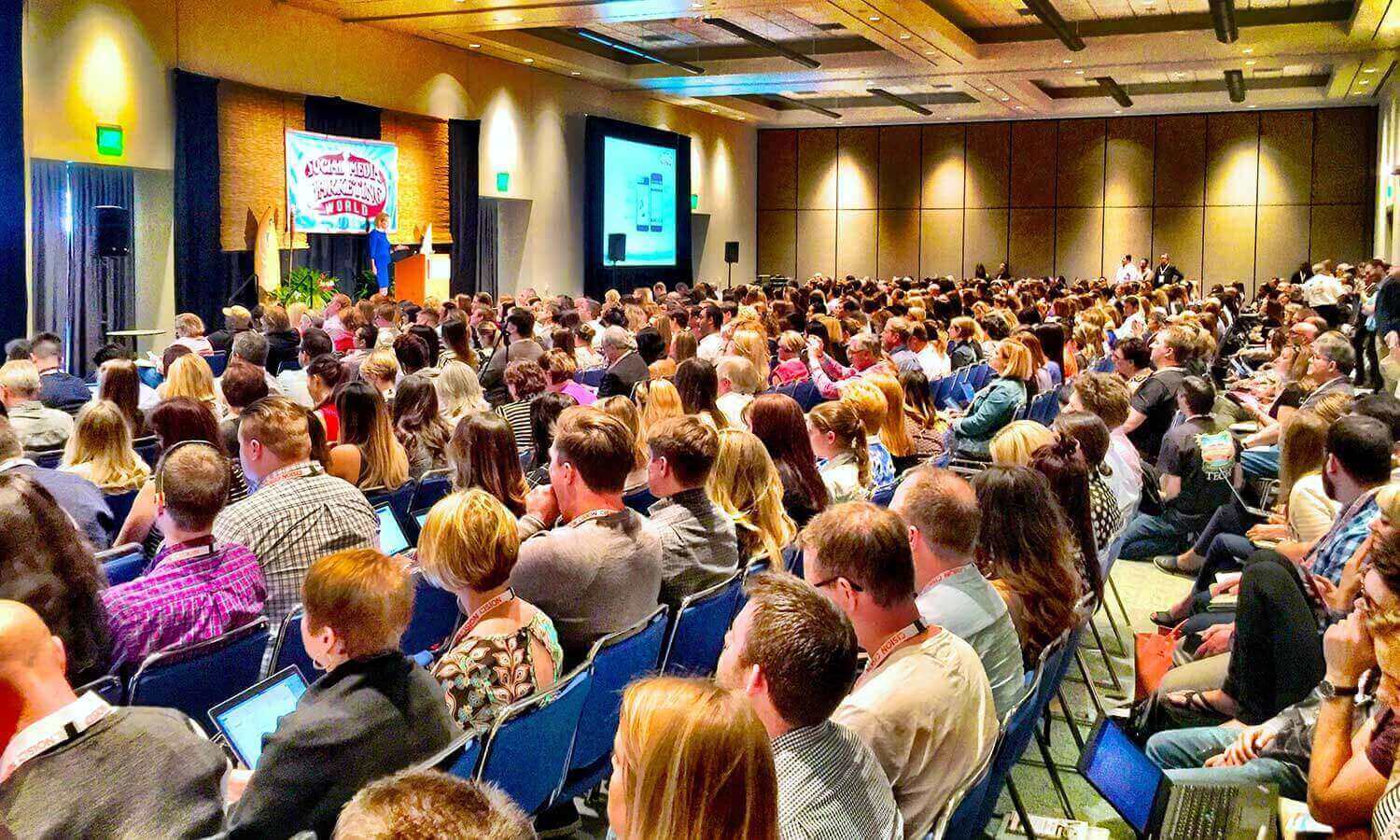





Bridging Cultural Diversity and Environmental Sustainability in the 21st Century
The Conference on Culture and Environmental Sustainability will explore the intersection of cultural diversity and environmental sustainability in the context of the 21st century, a time of profound environmental challenges and evolving cultural dynamics. The focus of the conference will be to address the critical role that cultural diversity plays in shaping sustainable environmental practices and solutions. As the world faces increasing threats from climate change, resource depletion, and biodiversity loss, it is essential to draw on the diverse cultural frameworks and practices that have traditionally supported environmental stewardship.
Through this theme, the conference aims to examine how cultural perspectives, values, and practices can contribute to environmental resilience and sustainable development. The event will also investigate how modern environmental challenges are shaping cultural identities and how cultural heritage can support or hinder sustainability efforts. The conference will highlight the need for cross-cultural dialogue and collaboration to create a unified and holistic approach to global sustainability goals.
Focus and scopes
01.
Cultural Heritage and Environmental Sustainability
- Exploring how traditional ecological knowledge (TEK) and indigenous cultural practices can be integrated into modern environmental sustainability strategies.
- The role of heritage preservation in promoting long-term environmental health and resource conservation.
- Cultural landscapes and how they contribute to both cultural identity and environmental protection.
02.
Cultural Diversity and Climate Change Adaptation
- The role of cultural diversity in responding to climate change, particularly in vulnerable regions.
- Cultural resilience in the face of environmental degradation, such as natural disasters, rising sea levels, and extreme weather patterns.
- Case studies of cultural adaptation to climate change and sustainability challenges in specific regions (e.g., indigenous knowledge for drought resistance or sustainable fisheries).
03.
Art, Literature, and Media in Promoting Sustainability
- The impact of artistic expression, literature, and media in shaping public perception and action on environmental issues.
- How cultural productions can raise awareness about environmental sustainability and serve as tools for advocacy.
- The role of cultural storytelling and myths in promoting environmental ethics and sustainability.
04.
Environmental Justice and Cultural Equity
- Exploring the concept of environmental justice through the lens of cultural diversity, focusing on cultural equity, inclusivity, and the rights of marginalized communities.
- Addressing the intersection of economic development, culture, and environmental responsibility.
- The importance of ensuring cultural inclusivity in global and local sustainability initiatives, ensuring that marginalized cultures and communities are not excluded from discussions on climate change and environmental justice.
05.
Cultural Diplomacy and International Environmental Collaboration
- How cultural diplomacy can facilitate international collaboration on environmental sustainability, particularly in the context of the United Nations Sustainable Development Goals (SDGs).
- Transnational environmental movements that bridge cultural divides, bringing diverse cultural perspectives together to address global environmental issues.
- The role of international organizations in promoting cultural exchange as a tool for achieving sustainable development and environmental conservation goals.
06.
The Future of Cultural Sustainability
- Exploring the future trajectory of cultural sustainability, particularly how emerging global trends (e.g., digitalization, climate migration, urbanization) might impact traditional cultural sustainability practices.
- The role of cultural innovation in promoting environmental sustainability: new cultural practices, technologies, and strategies that emerge as a response to global environmental challenges.
RESERVE YOUR SEAT FOR THE EVENT.
Presentations and Workshops
EXPLORE OUR NEW
CONFERENCE
EVENT
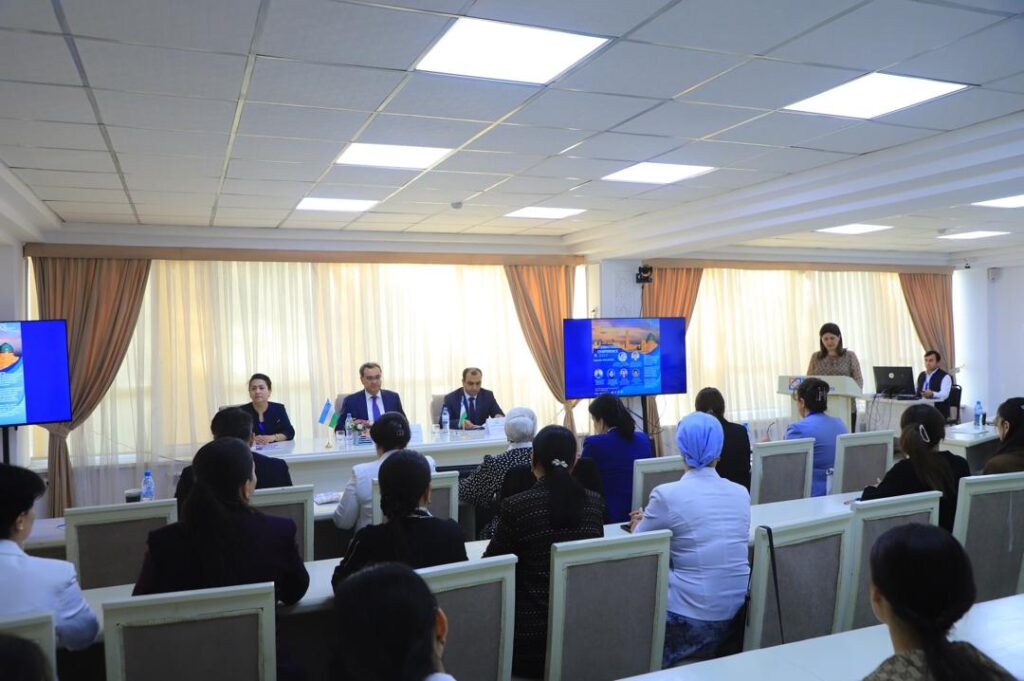
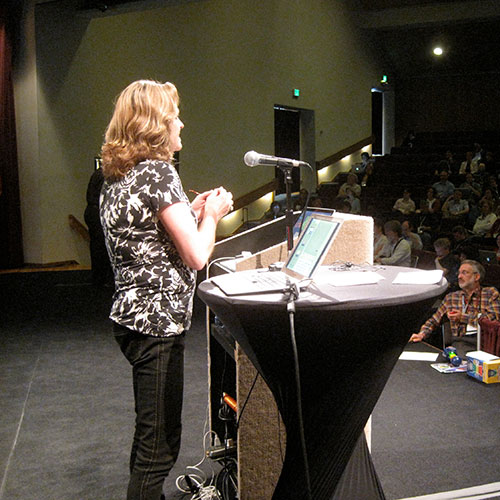
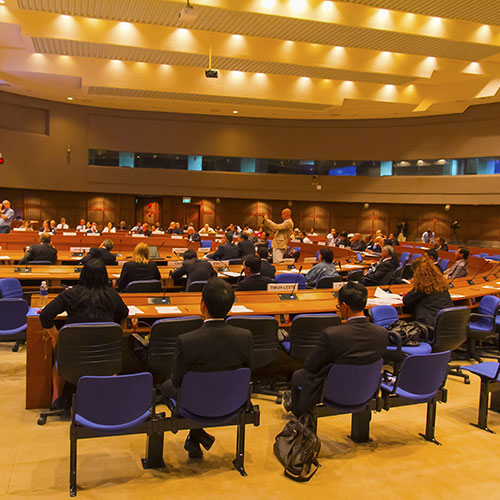
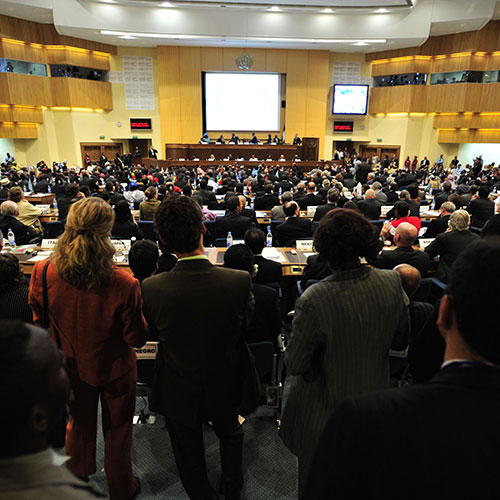
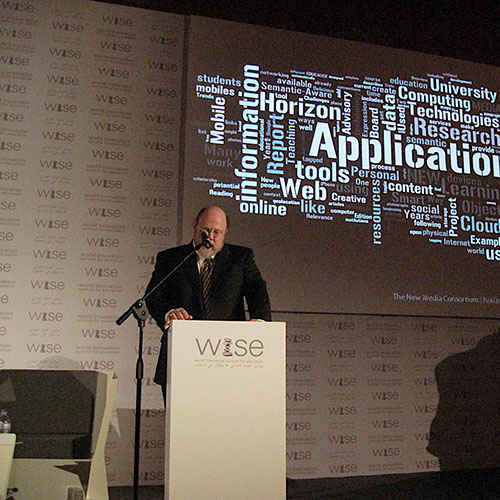
This conference offers board activities, including presentations by keynote speakers, invited speakers, and presenters from diverse fields. The event also offered workshops to improve participants’ skills across different areas, including journal management, academic writing, and extended research. The conference offers two modes of activities which include offline (in site) and online activities.

WHEN IS EVENT ?
27 -30 April 2026

IN SITE EVENT
Bukhara State University, Uzbekistan

OFFLINE ACTIVIES
Presentations and Workshop also available for online access
OUR GREAT PARTNERS &
SPONSERS





OUR BEST EXPERIENCED
EVENT
SPEAKERS

Handoko
DOAJ MANAGING EDITOR
Universitas Andalas, Indonesia

Jonas Elbousty
TRANSLATOR
Yale University, USA
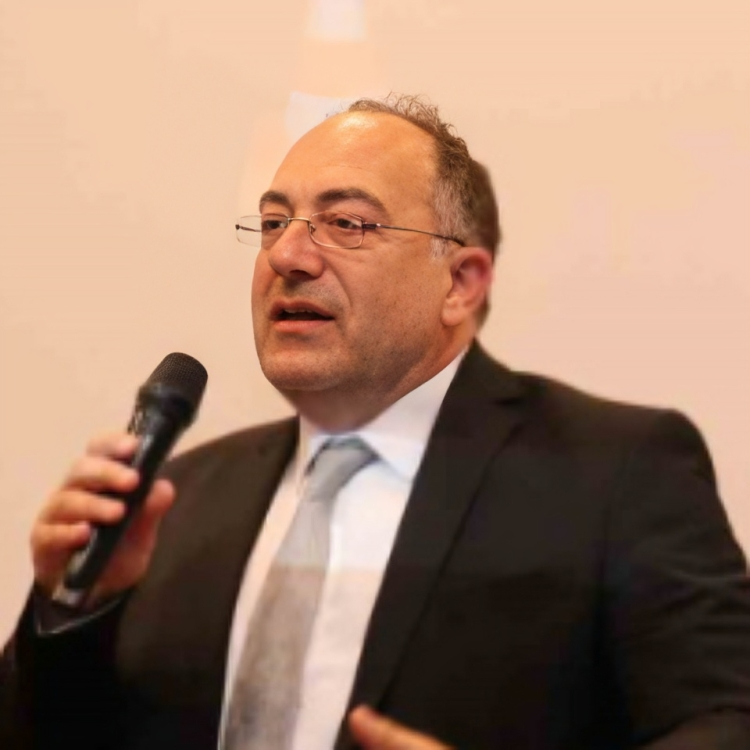
Cenk Demirkıran
FILM DIRECTOR
Katip Çelebi University, Turkiye

Harriet Deacon
UNESCO EXPERT
University of Hull, United Kingdom

Benedetta Ubertazzi
UNESCO EXPERT
University of Milan-Bicocca, Italy
Invited Speakers
Azlina Abdul Aziz
Universiti Kebangsaan Malaysia
Malaysia
Hariyanto
UIN Prof. K.H. Saifuddin Zuhri
Indonesia

GEORGE SMITH
MARKET AGENT, SPEAKER

ALISON GREY
EXPERT AGENT, SPEAKER
Articles Publications
We offer three distinct publication tracks to ensure your research reaches the right audience and meets your professional goals.
- Scopus or WoS-Indexed journals: High-impact academic recognition. Top-tier submissions will be recommended for publication in our partner journals indexed in Scopus (Q1–Q4) or Web of Science. This track is ideal for researchers seeking maximum citation potential and institutional promotion.
- International reviewed journals: Papers in this track will be published in international, peer-reviewed journals. While not currently in the Scopus database, these journals adhere to strict open-access standards and are indexed in Google Scholar, DOAJ, and CrossRef.
- Scopus/WoS Indexed Proceedings: Accepted papers will be published in the official Conference Proceedings volume, which will be submitted for indexing in the Scopus/WoS Conference Proceedings Citation Index (CPCI).
Programs
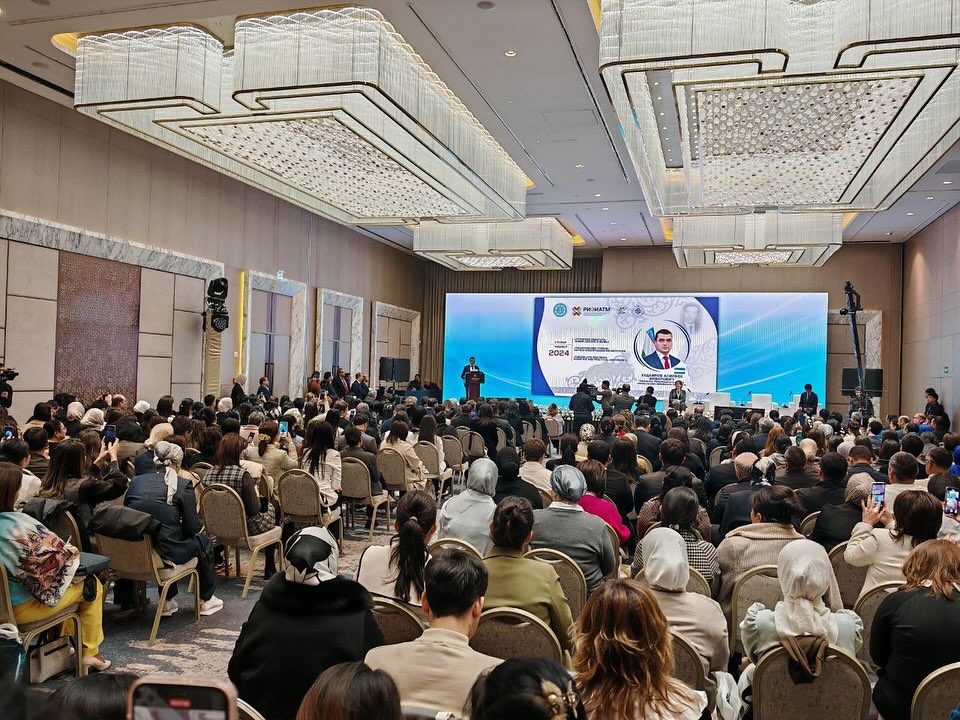
The conferences include different mode of activities, both insite (offline) and online activities.
- Seminar session: Presentation by keynote speakers and invited speakers, which gathers all presenters and participants. This session can be followed in-site (offline) and online participants.
- Parallel session: presentation by presenters based on the topic of the presentation. Each presenter will have a 10-15-minute presentation, including Q&A. This presentation can be delivered offline or online via Zoom Meeting, or aPre-Recorded Video Presentation.
- Workshop: This hands-on workshop provides participants with intensive activities on selected topics, including journal management, academic writing, and extended research.
CHECKOUT RECENT
NEWS &
INSIGHTS
Check the current in news and information regarding to the conference, workshop, and other activities.
-
Hello world!
Welcome to Science Connect Site. This is your first post. Edit or delete it,…